Moving to new premises
Organize assembly references before removal and agree how the information will accompany every stage through to the new site.
DISMANTLING AND RELOCATION / MONTELOG
Moving a system requires knowing which parts belong to each assembly. Component identification helps organize the dismantling scope and track parts through the operation's next stages.
Request a quote ↗Explore this solution ↓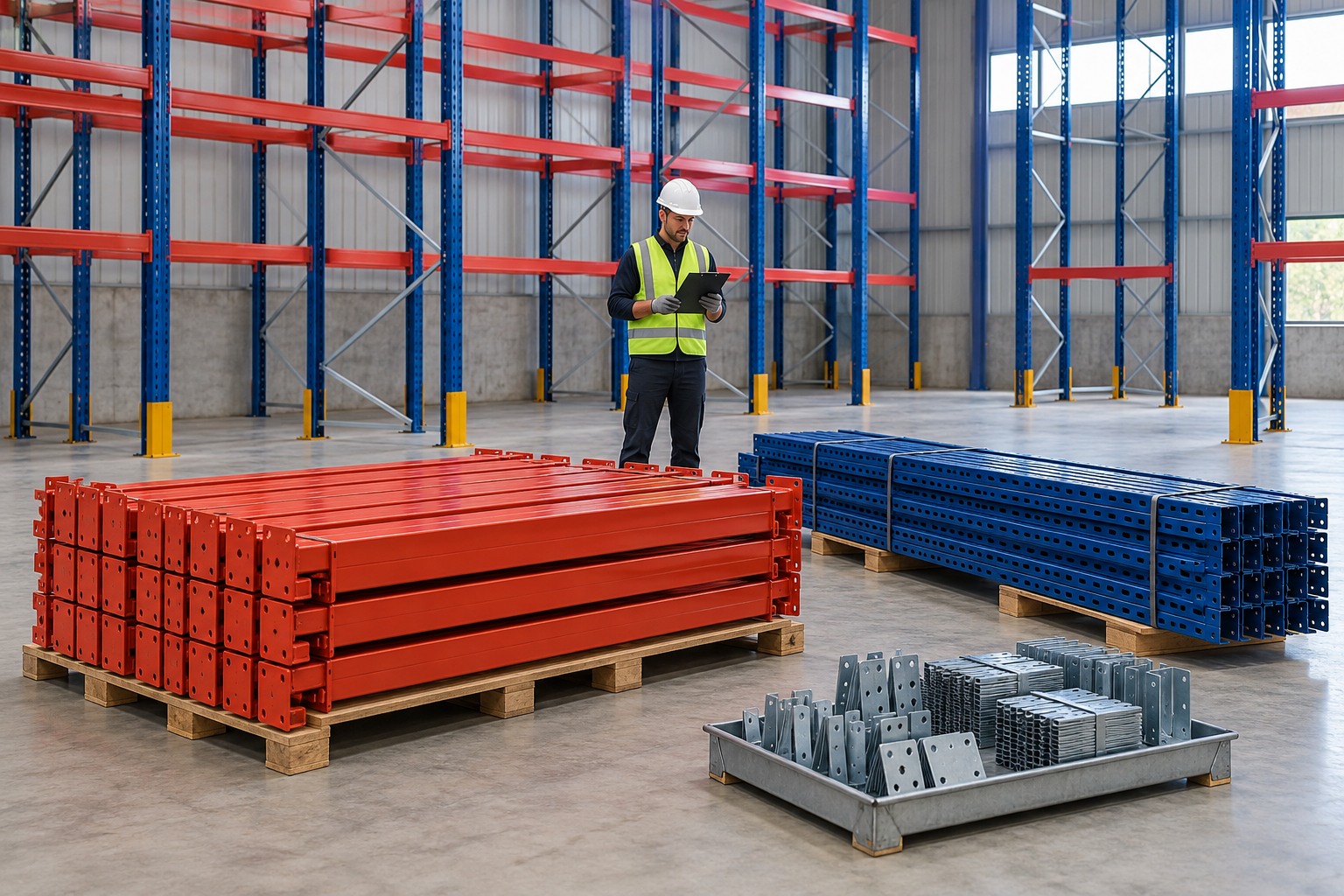
UNDERSTAND THE SOLUTION
Identifying storage system components begins with relating the parts to the system they belong to. Information about the existing configuration, manufacturer, and available documentation helps understand the assembly before planning dismantling. Where a warehouse contains different systems, this distinction must be included in service organization.
The aim is to support locating and organizing the components covered by the scope. The identification method, grouping of parts, and associated records must be agreed for the project. This work does not replace assessment of material condition and does not mean components are approved for reuse or compatible with any new layout.
INFORMATION FOR PLANNING
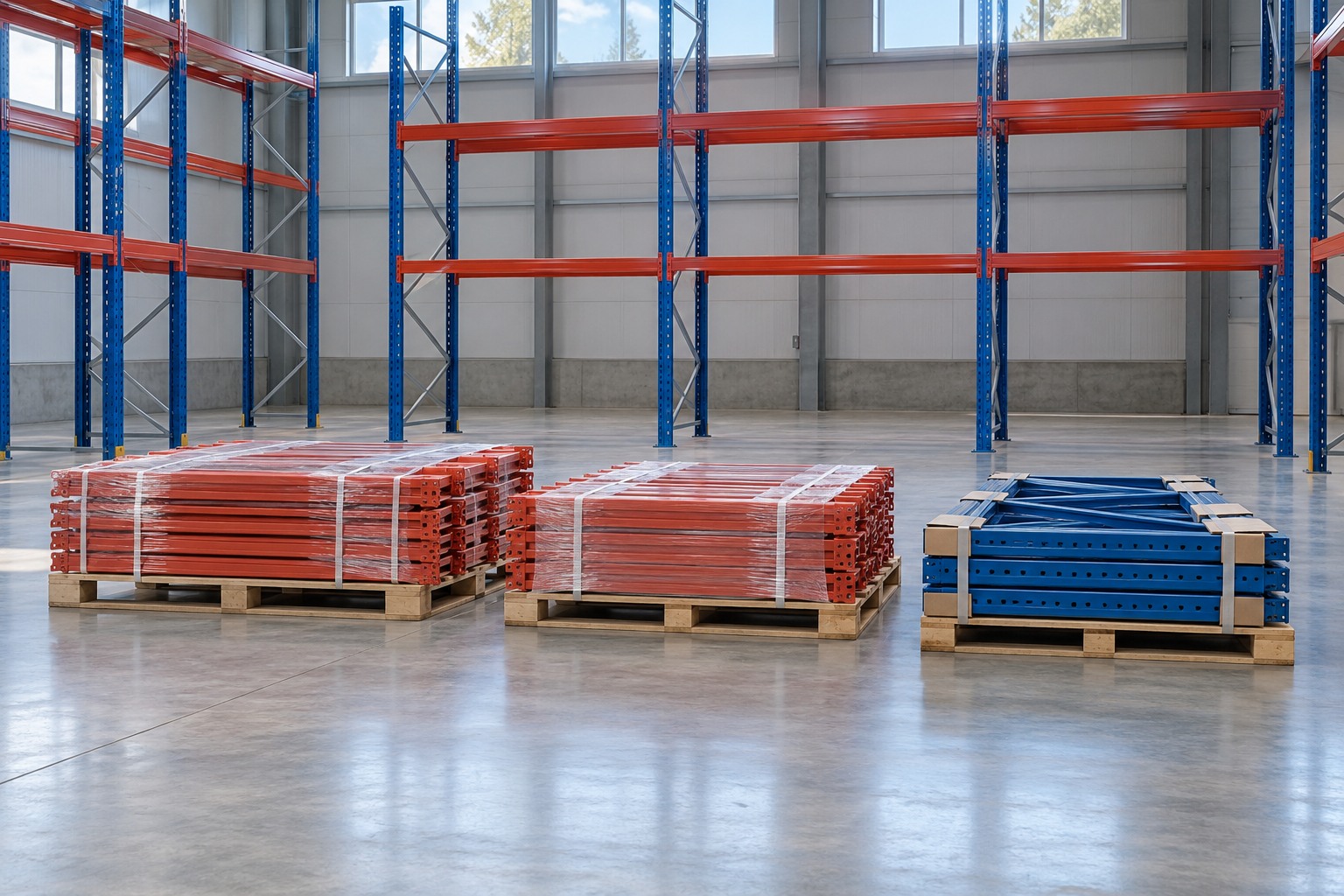
The move may involve removal areas, temporary storage, transport, and a destination site. It is important to define who is responsible for each stage and how assembly information will be preserved during transfers. The proposal must clarify whether the service includes identification during dismantling only or other organization and handling activities.
Before any reassembly, the assembly must be related to the design planned for the new site. Identified parts still require condition assessment, compatibility confirmation, and technical instructions. Components with insufficient information or unresolved questions must remain listed as outstanding, so the responsible parties can determine their destination without assuming reuse.
YOUR OPERATIONAL CONTEXTS
Understanding the requirement is the starting point. Configuration, scope, and availability are confirmed when the proposal is assessed.
Organize assembly references before removal and agree how the information will accompany every stage through to the new site.
Distinguish the parts from the areas involved to help identify materials available for relocation assessment.
Maintain the relationship between each stage's components and scope records, especially when removal takes place over different periods.
FROM THE REQUIREMENT TO THE NEXT STAGE
Aligned information and responsibilities help organize contracting and the progress of your request.
Collect configuration details, documentation, and existing system information.
Define how assemblies and components will be distinguished within the service.
Preserve component references throughout the planned dismantling stages.
Record incomplete information and components awaiting a decision.
FREQUENTLY ASKED QUESTIONS
No. Identifying a component helps organize its reference, but does not itself assess its condition or compatibility with the new design. Reuse requires the corresponding approvals.
The design, layout, manufacturer references, and existing records can help. State what is available to define how the initial system review will be carried out.
These activities must be confirmed in the proposal. Identification may form part of dismantling, but does not imply that transport, handling, or material storage has been contracted.
The scope can cover different assemblies, provided their characteristics and available information are assessed. How the systems will be distinguished must be agreed before the work.
The situation must be recorded and referred to the responsible parties for assessment. Missing information should not be resolved by assuming compatibility or automatically authorizing reassembly.
LET'S UNDERSTAND YOUR REQUIREMENT
Component identification: talk to MonteLOG and describe your requirement.