A picking area can have neatly stored products yet still cause confusion during picking. Is the item at the stated location? Does the packaging used in the order match the master data? Was replenishment recorded? These questions connect the physical system to the information guiding the work.
Organizing order picking requires looking at this relationship. The following guide brings together identification concepts and planning questions to discuss warehouse routines. It does not assume that purchasing shelving or an information system alone will solve every operational problem.
Map the journey from inventory to order
Start by following how an order is understood by the operation. Which items are requested, in which units, and with what location information? Then describe how the operator finds the product and how the quantity removed is entered into records. This survey provides a reference for discussing the existing process.
GS1's process guideline presents warehousing, product selection, and logistics unit preparation as related stages. It also shows the connection between product, batch, and logistics unit identifiers. For local planning, the point is to recognize which information must accompany each movement.
- The unit used in the order and the physical unit picked.
- Location information available to the team.
- Recording withdrawals and handling discrepancies.
Sources for this section: GS1 — Model for Supply Chain Processes in Healthcare, Warehousing-Preparation and Shipping [2]
Distinguish product, location, and logistics unit
GS1 standards give identification distinct roles: GTIN relates to trade items, GLN to locations, and SSCC to logistics units. GS1 Singapore's warehouse management page explains how these elements can connect the item being moved to operational data.
In internal discussions, avoid using the word code without saying what it refers to. A product code is not necessarily its storage address, and a dispatched carton may require a reference different from the goods inside it. Describing each role helps align the storage system, labels, and records.
- Define what identifies the product in the master data.
- Explain how locations are recognized in the operation.
- Identify which receiving and dispatch units are tracked.
Sources for this section: GS1 Singapore — Warehouse Management [1]
Include replenishment in picking organization
After mapping withdrawals, follow how the item returns to the picking area. Who identifies the need, what information is used, and where does replenishment stock wait? Planning must distinguish recorded availability from stock that can actually be found at the picking point.
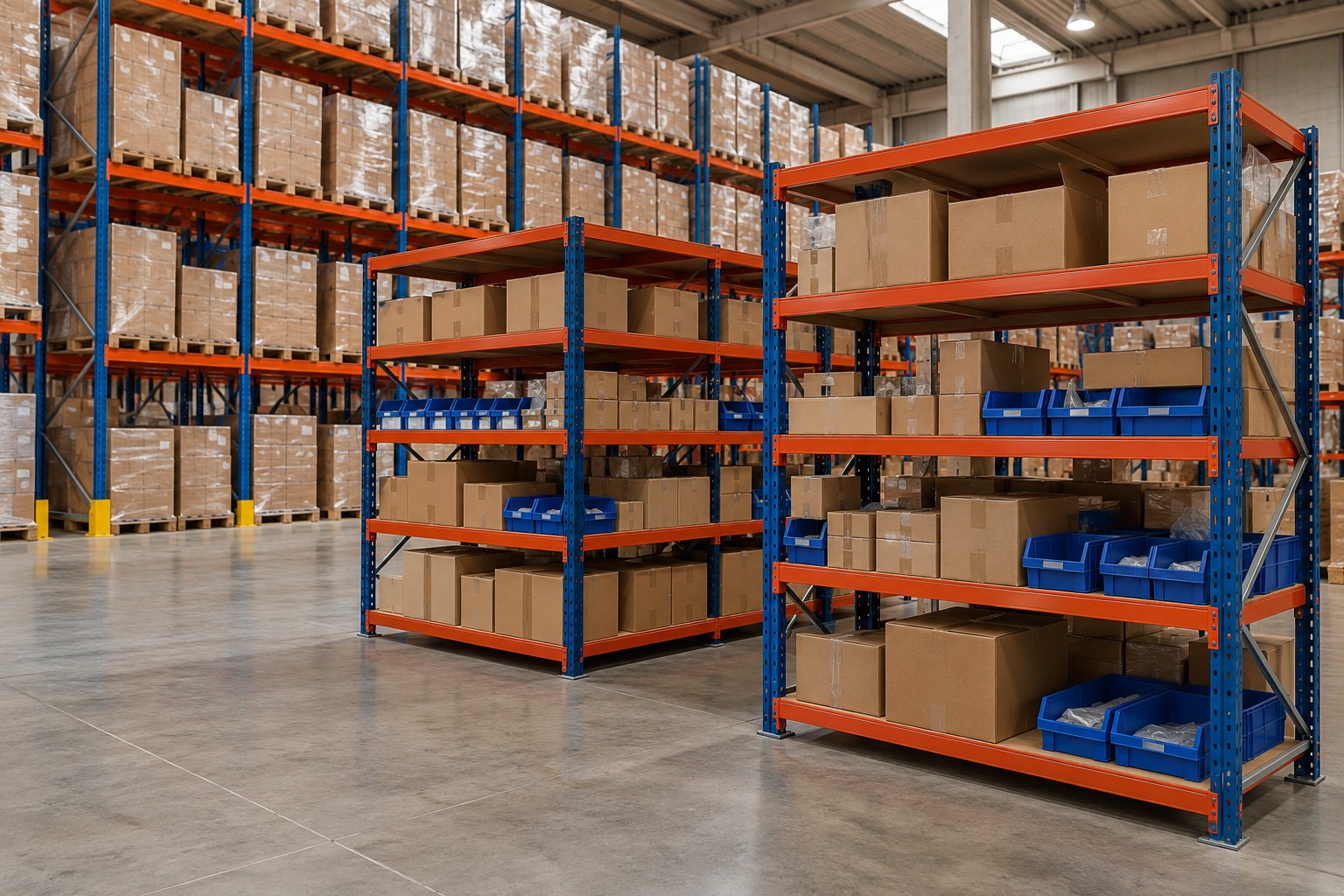
In a hypothetical example, cartons leave palletized reserve storage to replenish manually accessed shelves. The layout discussion should consider both stages, including the transfer between them. If changing the system alters the replenishment route, that consequence must be discussed before the work.
- Origin of replenishment stock.
- How replenishment needs are communicated.
- When the transfer is recorded.
- The interface between traffic, replenishment, and order picking.
Bring process data to the storage system assessment
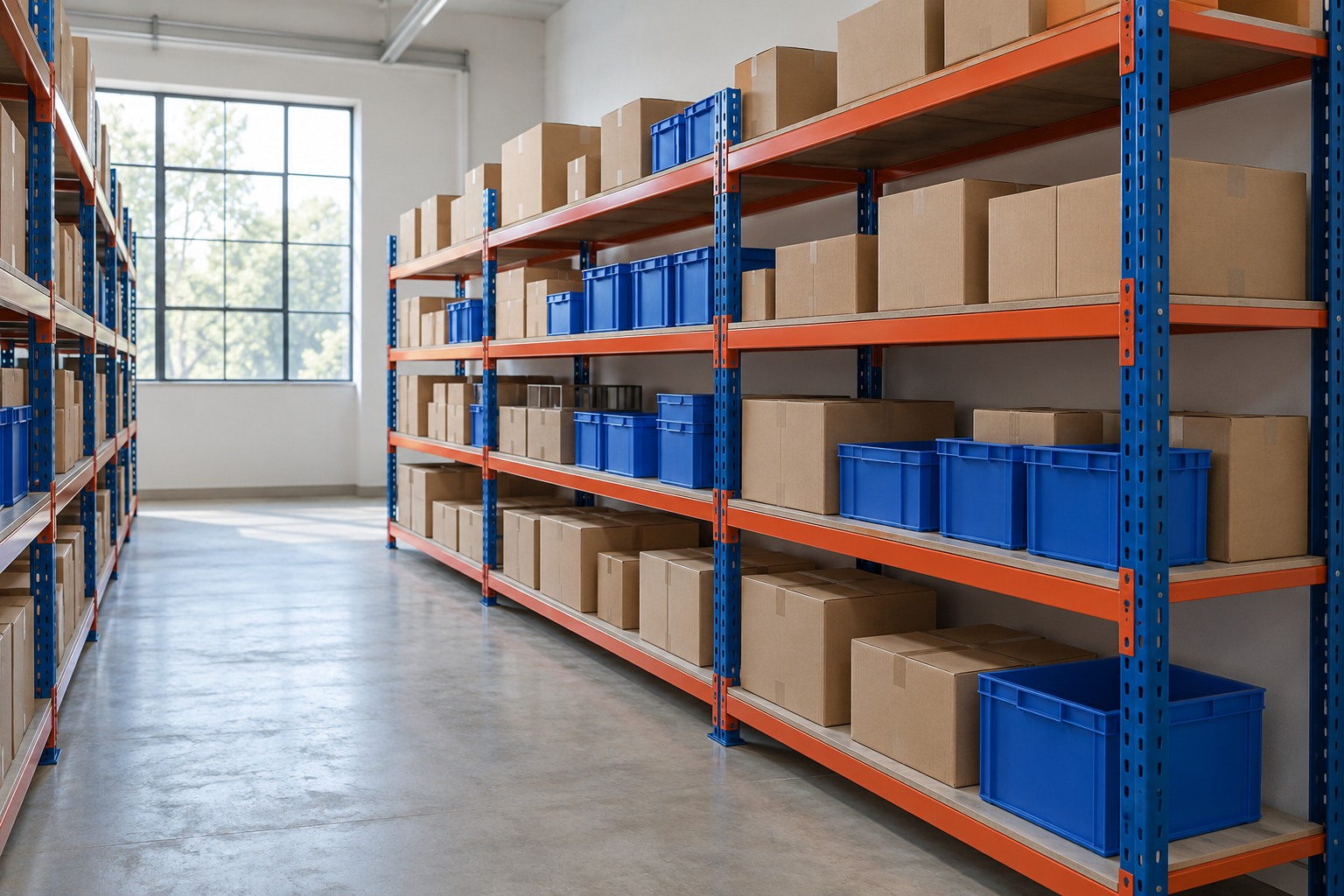
Before reorganizing picking shelves, gather examples of products, packaging, and orders. Present relevant differences: items picked individually, full cartons, and materials in containers may require different discussions about access and support. Add the available layout and known site constraints.
Storage systems must be compatible with the approved usage configuration. When requesting a proposal, clarify whether the request involves supply, installation, relocation, or a combination. An organized description allows the change to be assessed without confusing the physical system with software, identification, or other parts of the operation.
- Products and packaging representative of daily operations.
- The picking and replenishment method described by the team.
- Existing system documentation, where available.
- Desired scope and responsibilities for the change stages.
How to apply this to your planning
Picking organization becomes clearer when the journey of items and information is understood together. Use this survey to discuss the required system and explore the installation, supply, and relocation options presented by MonteLOG.
Frequently asked questions
Does organizing order picking mean replacing every shelf?+
That is not an automatic conclusion. First describe the difficulties and existing flows. The need for physical changes depends on an assessment of the operation and storage system.
Does standardized identification replace the checking process?+
Identifiers help connect materials and information. The operation still needs to define how it records movements, handles discrepancies, and tracks orders.
What should I tell MonteLOG about a picking area?+
Send the layout, examples of products and packaging, access and replenishment methods, and the desired service. Also state site conditions and constraints.
Sources and further reading
Sources accessed on October 26, 2026. This content brings together general guidance; its application to your project should consider site conditions and the assessment of those responsible.
- GS1 Singapore — Warehouse Management ↗
The functions of GTIN, GLN, and SSCC and their connection to information in warehouse operations.
- GS1 — Model for Supply Chain Processes in Healthcare, Warehousing-Preparation and Shipping ↗
The conceptual relationship between warehousing, picking, logistics units, and identifiers. A healthcare example used only as a process reference.